There are the hikes you take with your dog and a mug of coffee to greet the day, and then there are the hikes that have you grappling with the limitations of hiking shoe comfort and the painful burden of having a human back. We’re here to explore the latter. If you are ready to test your limits against the elements and your own willpower, welcome. Mt. Rainier is a picturesque and popular destination, but for those who don’t shy away from elevation gain, it can also be the setting for impressive tales. If you keep in mind that “climbs,” including to the summit, require a special permit and even more gear and preparation, this is about as epic as it gets before you’re clinging to a sheer rock face.
First, a few tips, because you know what isn’t epic? Having to quit a hike early because you are unprepared.
TIP #1: DO THE RESEARCH
The National Park Service doesn’t rank hikes by difficulty, because that’s pretty subjective. Even flatter and shorter hikes can be strenuous depending on your ability and conditions. You’ll need to look at elevation gain, the length of the hike, terrain, the weather, the time of year you expect to go, and even reviews from other climbers to determine what you’re ready for. Some resources include the Trails of Mount Rainier page on the NPS website and the Washington Trails Association website.
TIP #2: KNOW YOUR ABILITY AND COMFORT LEVEL
Still breaking in your boots, or got some mileage on that tread? Start with day hikes in the area and see how those feel. Do you have a comfortable pair of hiking shoes? The majority of hikes at Mt. Rainier have some degree of elevation gain because all trails are located around the base and slopes of the volcano, and they vary from mild elevation gain all the way up to steeper, exposed scrambles. As our friend Terry Wildy, aka the Chief of Education, Interpretation, and Volunteers at Mt. Rainier has said in the past: hike your hike, not anybody else’s. Be ready to turn back at any point if it gets too difficult.
TIP #3: BE PREPARED
If you’re an expert hiker, you already know preparation is key. Some questions to ask yourself: how much daylight will I have? Am I wearing appropriate clothing and footwear for the expected conditions? Do I have the 10 Essentials? Am I hiking with another person? If I am going solo, have I left my hiking plan and expected return time with a trusted person? Am I prepared to self-rescue?
How is the air quality? Hiking in smoky weather is challenging for everyone. Be ready to turn back at any point if it gets too strenuous, and don’t forget to leave your pets and drones at home. You can learn more about hiking safety on the NPS website.
Now that we’ve brushed up on hiking safety and preparation, let’s get into the epic trails you need to know about.
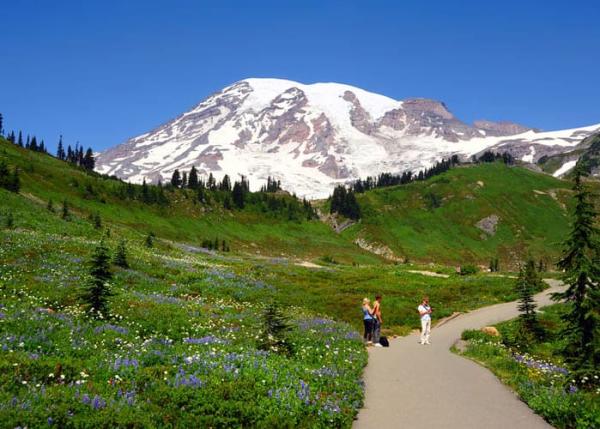
The Hike: Skyline Trail
Why It’s Epic: Significant elevation gain, no shade
Skyline Trail may be one of the most popular destinations in the summer months, but visitors seeking photos are often taken by surprise at the elevation gain and direct sunlight. Throw in a crowded trail and it’s intense for entirely different reasons. You'll sometimes hear the whistles and see marmots luxuriating on summer snowfields, or brave deer grazing right alongside the trail. Don't approach them or feed them, but feel free to snap an epic pic from a distance.
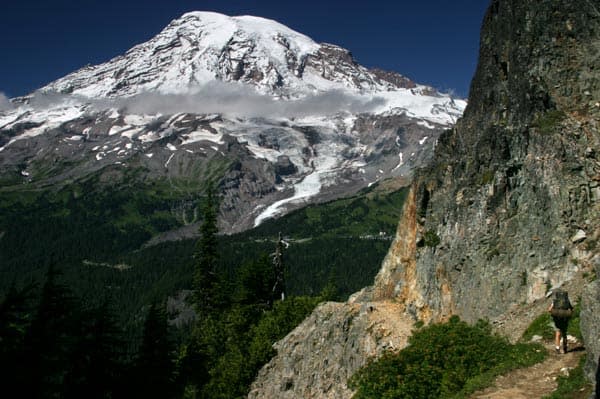
The Hike: Eagle Peak
Why It’s Epic: Steep climb while exposed to the elements
Eagle Peak in one word? It’s a toss-up between “idyllic” and “switchbacks.” You’ll be gasping at the natural beauty of sprawling wildflower-speckled alpine meadows and mountain views, but you’ll also be gasping through the relentless elevation gain. Thank goodness the views are worth it.
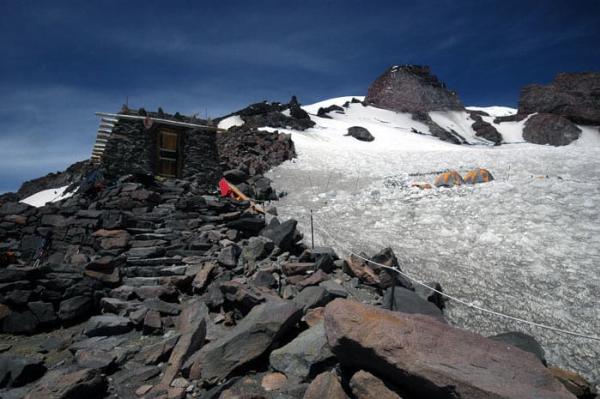
The Hike: Camp Muir
Why It’s Epic: The Camp Muir trail crosses an open snowfield, and you can expect snow all the way to August. It can also turn deadly for the unprepared hiker caught in whiteout conditions.
The first two miles before the Muir Snowfield are just a warm-up. Even in the late summer, you’ll encounter snow, and it’s also where the elevation gain really turns up. Toward the summit of your hike, you’ll see a small tent city for hikers who are preparing summit the mountain. This is as close as you’ll get to the top before you invest in the training, gear, and permits to go the final stretch.
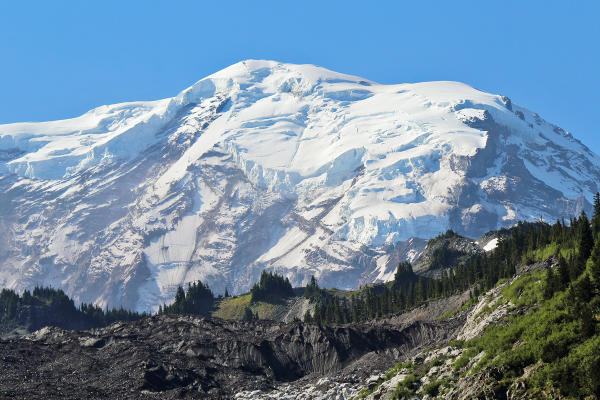
The Hike: Carbon River and Mowich Lake areas of the National Park
Why It’s Epic: Difficult to reach, now rare to visit.
Last year, WSDOT closed Fairfax Bridge for the foreseeable future, so it’s much more difficult to reach these areas even though they’re still open. You’ll have to make a long backpacking journey on the Wonderland Trail, including an overnight stay. With that in mind, these hikes have become way more epic because they’re less busy and the sights are even rarer.
Headed for an epic adventure? Take us with you and tag Visit Tacoma - Pierce County at @visittacomapiercecounty!