Updated September 18, 2026.
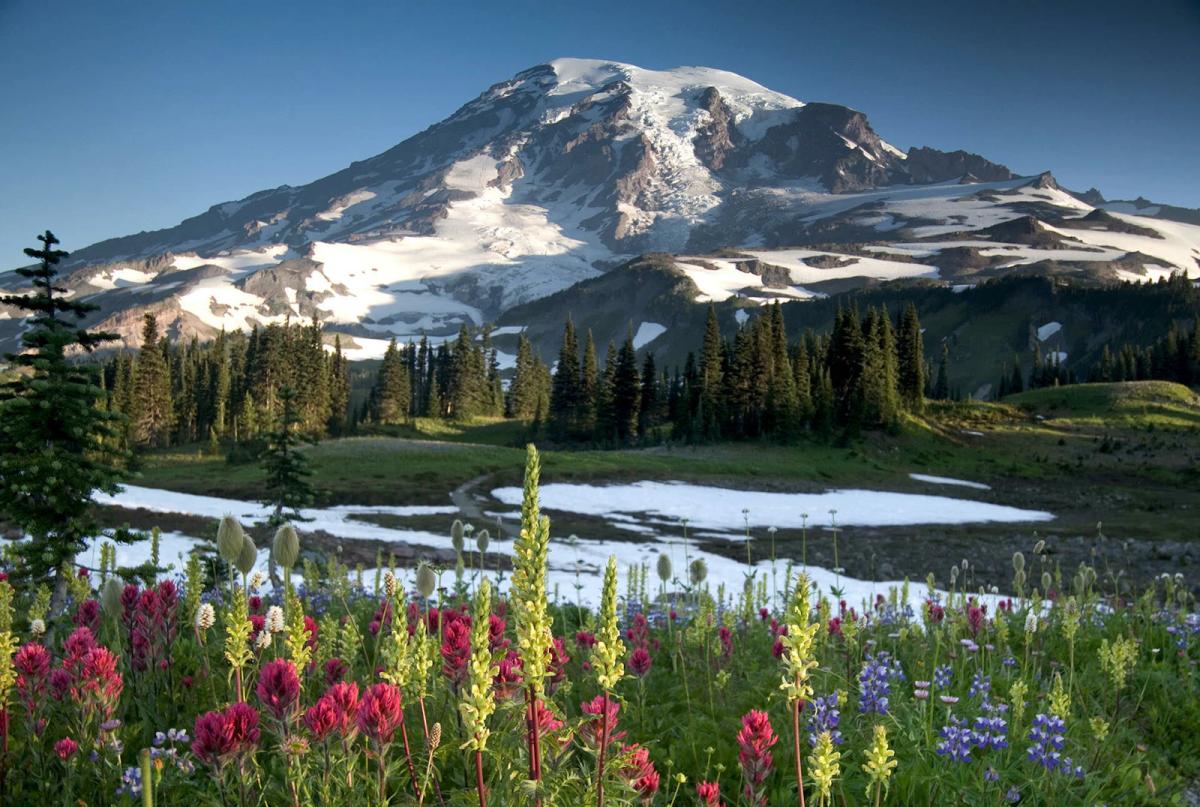
Visiting Pierce County in the summer gives you the best weather to enjoy one of our coolest geological offerings: Mount Rainier. This active volcano is the most glaciated peak in the contiguous United States spawning five major rivers, breathtaking wildflower meadows, ancient forests, endless hiking trails, wildlife galore, and more! It’s also Washington’s first national park and the fifth oldest national park in the entire country. With all that being said you could easily spend days in the park and not even skim the surface of what there is to see. We don’t all have days (or weeks!) to dedicate to see everything this incredible park has to offer which is why we’ve created this first timers guide to the absolute can’t miss parts of Mt. Rainier National Park.
Plan for current conditions: Mount Rainier does not require timed-entry reservations in 2026. Entrance fees or a valid park pass still apply. Summer weekends can bring long entrance lines and full parking lots, so consider a weekday and have a backup plan.
As of September 18, 2026, Sunrise Road is closed to vehicles because of the Grand Park 2 and Wonderland Complex fires. The Fairfax Bridge closure also means no public access to Carbon River or Mowich Lake from SR 165. For a first visit, consider Longmire and Paradise via the Nisqually Entrance, then check current road status and trail conditions before leaving.
Once you have chosen an open area of the park, it is time for the fun part: deciding what to do there. Pick a few stops and leave room to linger. The mountain is a better day out when you are not racing around it.
Hiking:
These four hikes highlight different sides of the mountain, from alpine lakes to a waterfall tucked into a gorge. Choose a route that fits your experience, check snow and closure reports, and stay on designated trails. Pets are not allowed on park trails; service-animal rules are different.
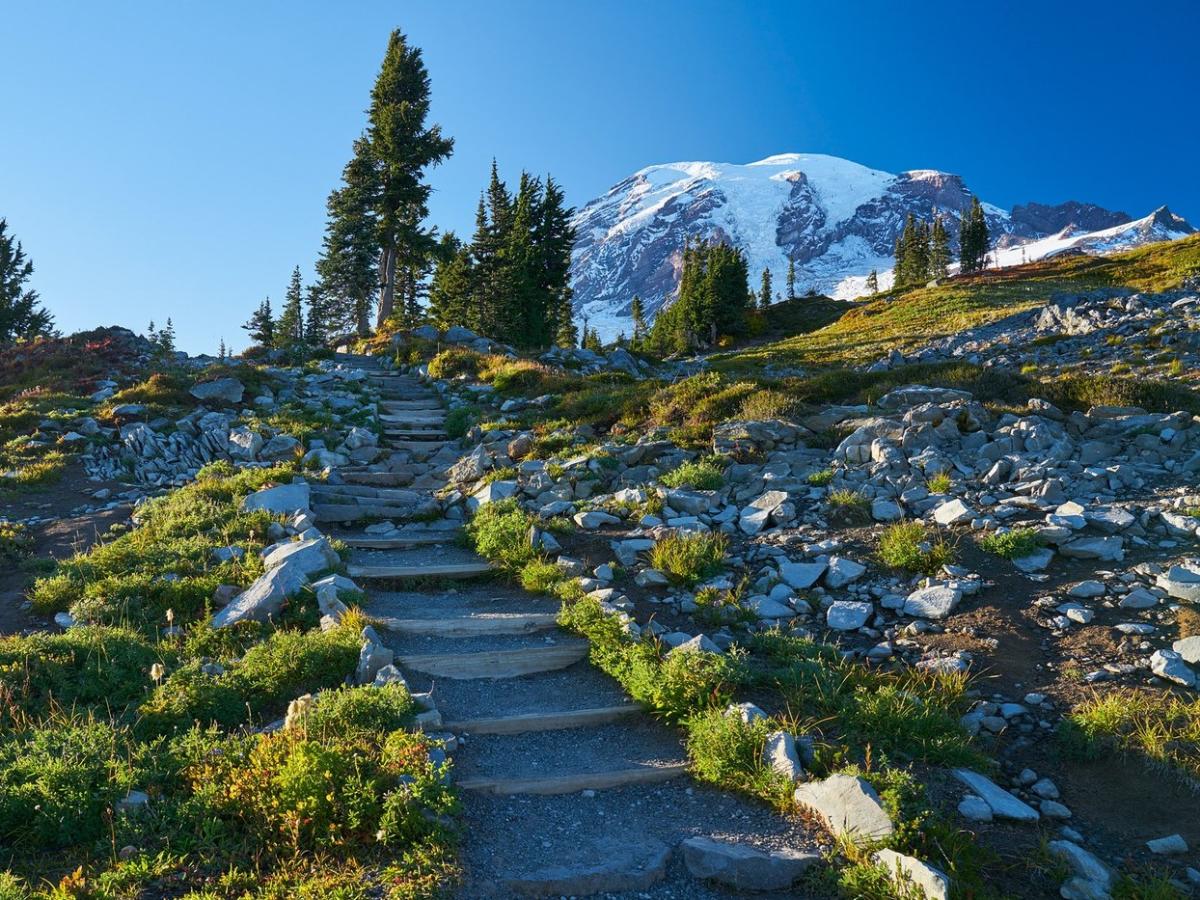
Skyline Trail Loop:
Arguably the most iconic of the park's hikes, Skyline takes you through Paradise's subalpine landscape with close-up mountain views. The full Skyline loop is 5.5 miles with about 1,700 feet of elevation gain. Treat it as a strenuous hike, not a casual stroll. Snow and ice can linger, and the payoff comes with real climbing.
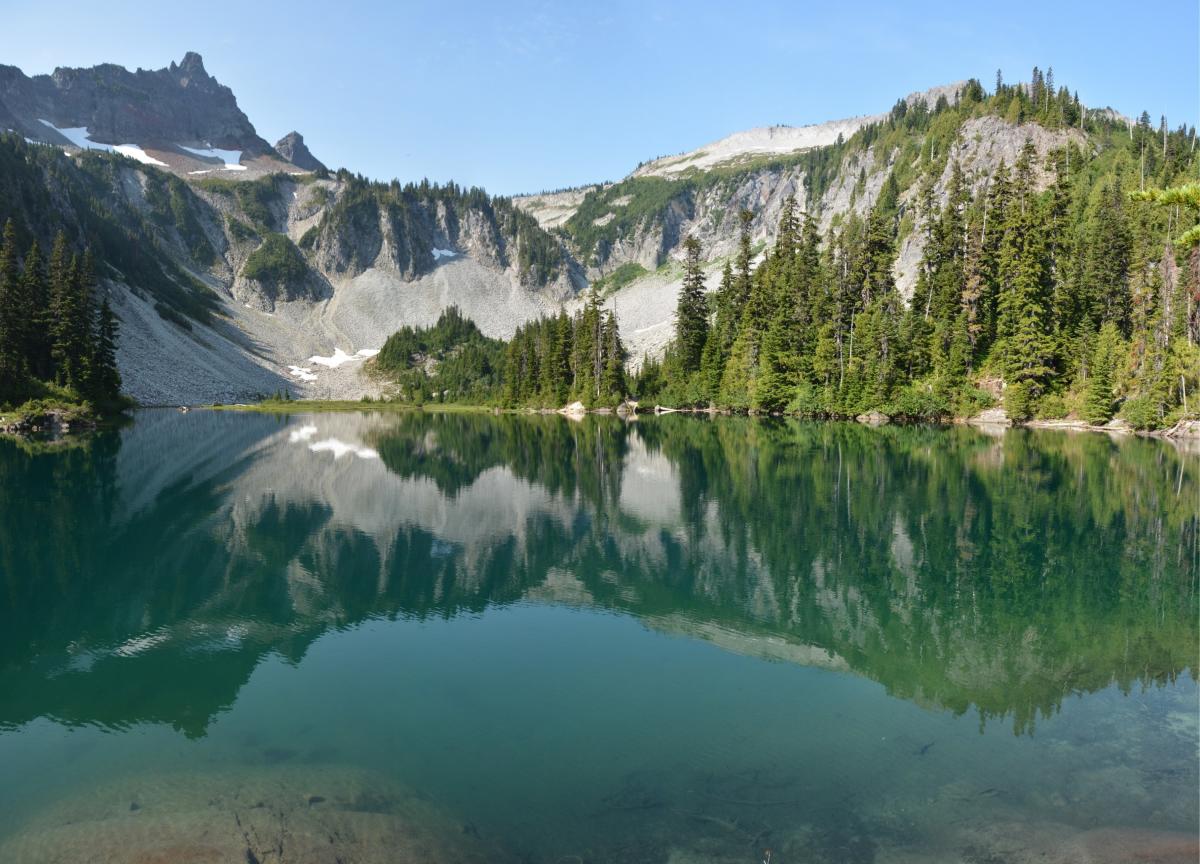
Bench and Snow Lakes:
Bench and Snow Lakes is an out-and-back hike, not a loop. The trail rolls through meadows and forest, with a spur to Bench Lake before continuing to Snow Lake. Allow for 2.5 miles round trip and about 700 feet of elevation gain. Mud and lingering snow can make the footing slower than the mileage suggests; bring your own snacks and leave the landscape as you find it.
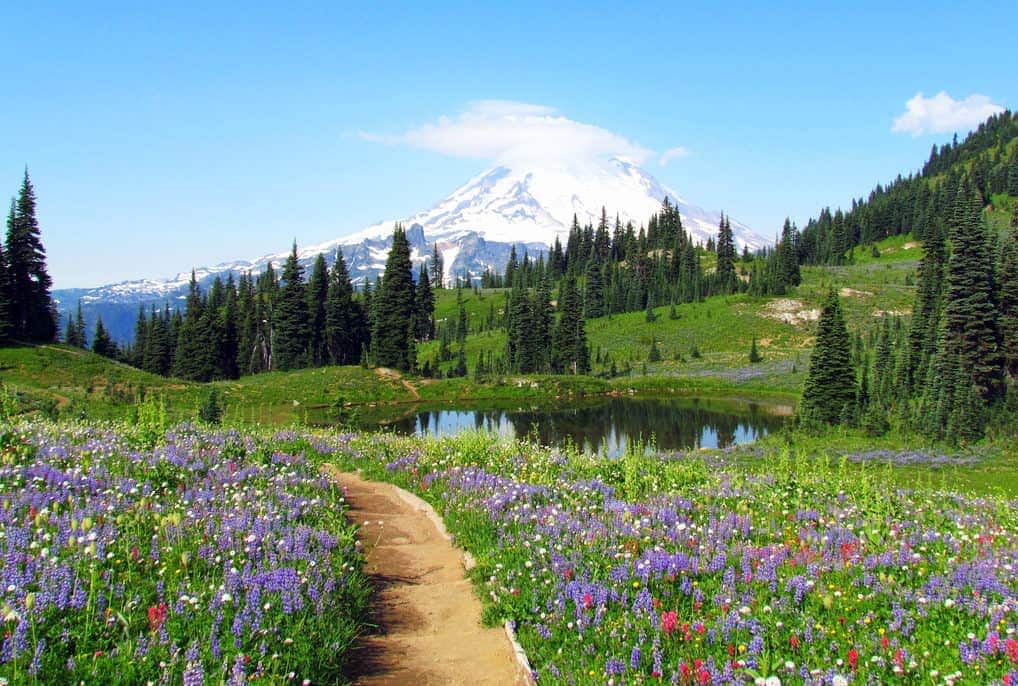
Naches Peak Loop:
Naches Peak Loop offers mountain views, meadows, and a look over Tipsoo Lake in a relatively compact outing. NPS lists the loop at 3.5 miles. Check the park's day-hiking information and current conditions before setting out, especially early in the season. The calculated level of bugs is occasionally considered excessive.
Comet Falls:
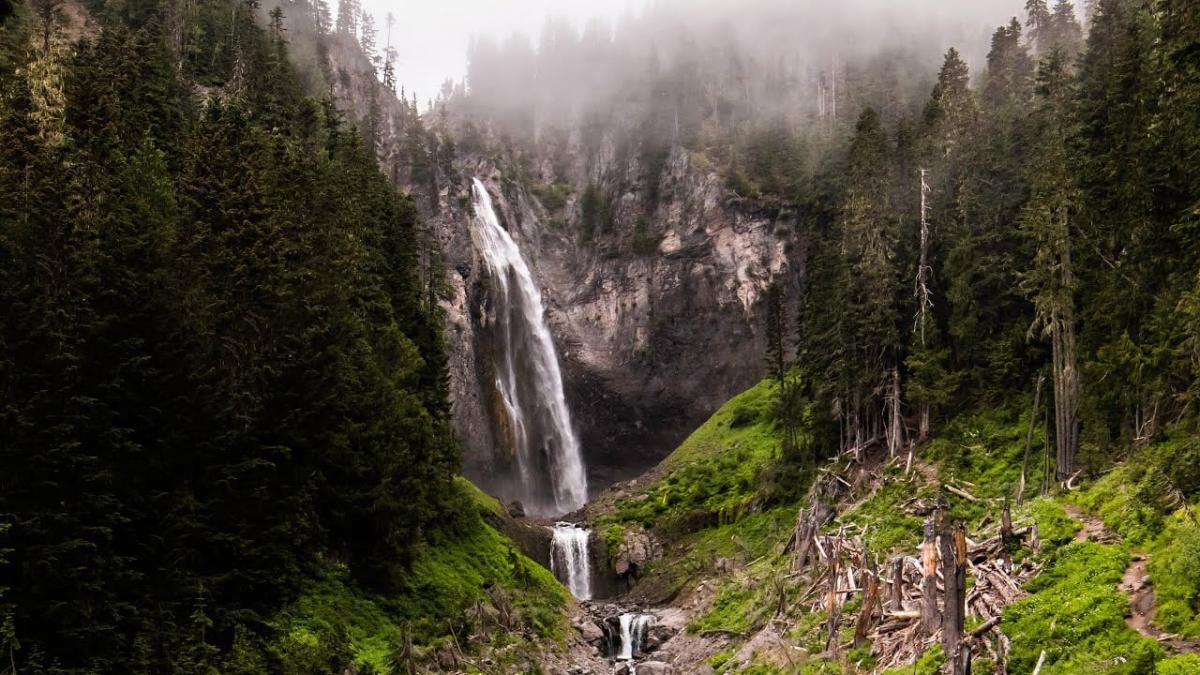
Follow a creek uphill through rocky forest to Comet Falls, one of the park's tallest waterfalls. This is a sustained climb with steps and uneven footing, so allow more time than you would for a flat walk. The small trailhead parking area fills quickly and has no nearby overflow parking. Snow and ice can linger into summer; have another hike in mind if conditions or parking do not cooperate.
Scenic Drives:
If hiking isn’t your thing, no worries! The park offers several different routes to drive through to see the park without exerting yourself too much. Here’s a couple of our favorite driving tours within the park:
Circle Mt. Rainier Drive:
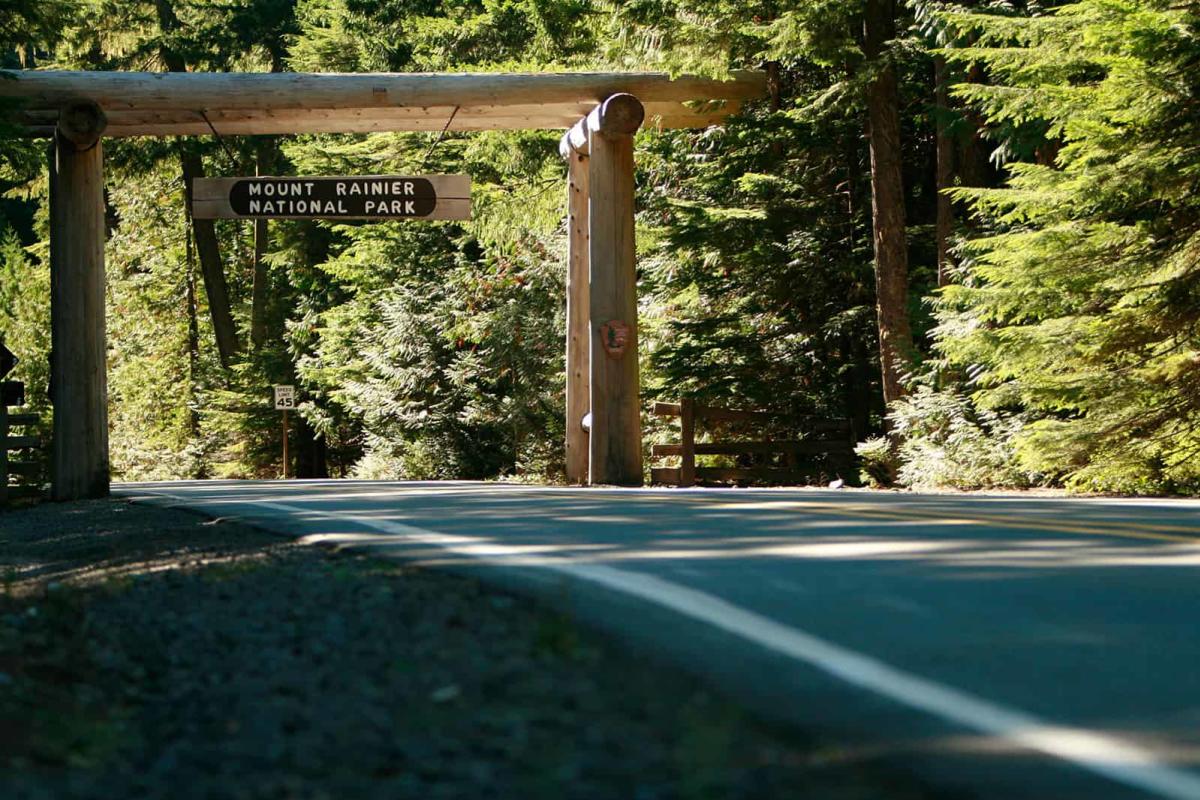
A drive around the mountain can connect forests, river valleys, and park viewpoints, but it is a full-day undertaking with a route that depends on seasonal roads. Review the linked itinerary against current road status before committing to a loop. Leave generous time for traffic and stops. For a simpler first visit, concentrate on the Nisqually-to-Paradise corridor instead.
Chinook Scenic Byway:
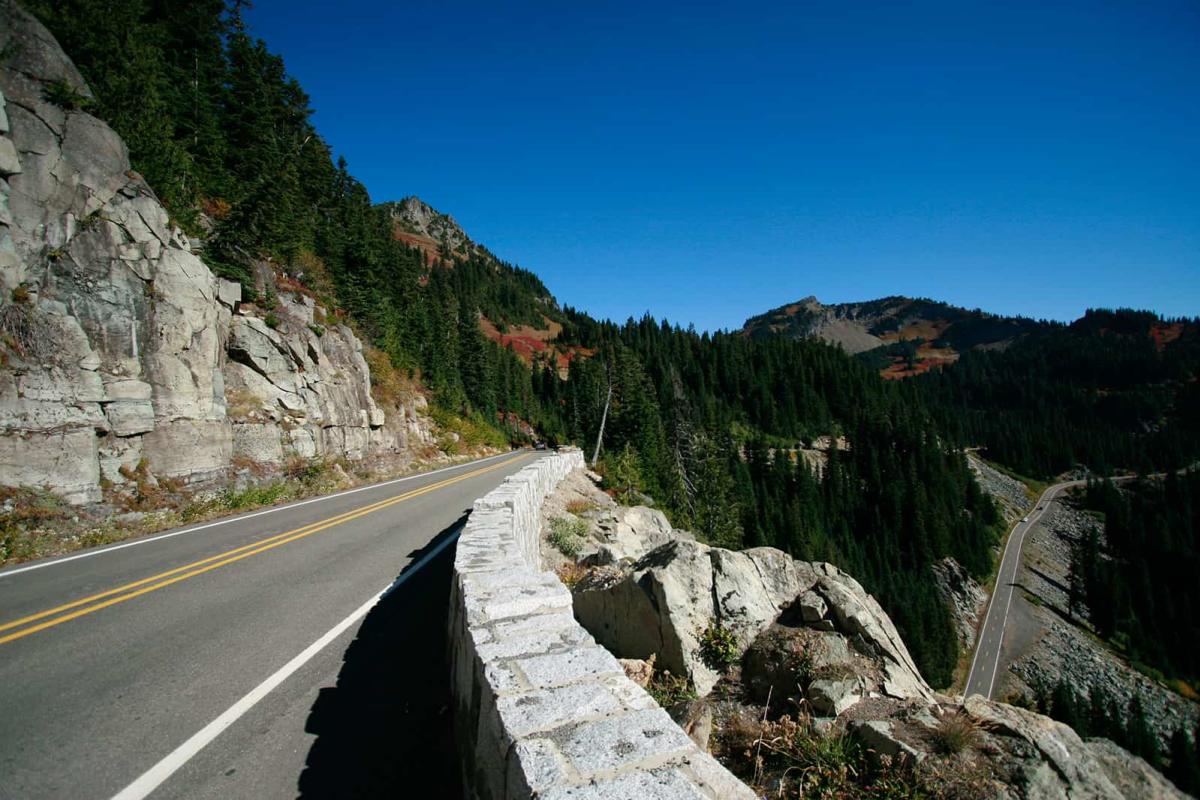
Chinook Scenic Byway follows SR 410 through forests and mountain scenery. It is a seasonal option: check pass conditions before you go, and do not assume an open highway means every side road or visitor facility is open. Build in time for viewpoints and a turnaround plan rather than treating a drive-time estimate as a promise.
Other Activities:
There are also ways to enjoy the mountain from visitor facilities and nearby Crystal Mountain.
Mt. Rainier Scenic Gondola:
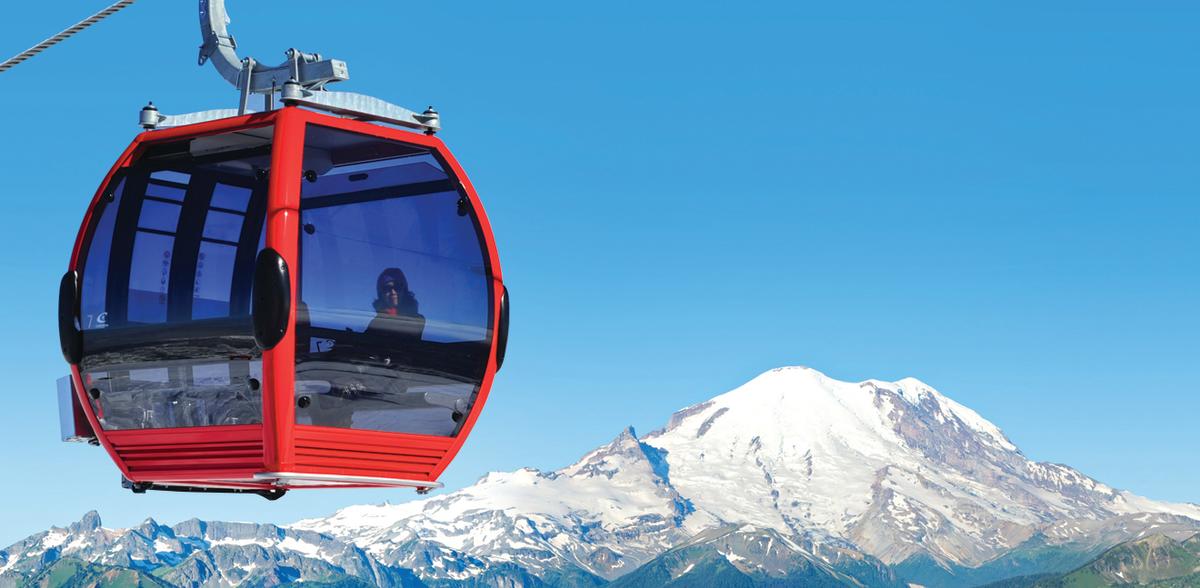
At Crystal Mountain, outside the national park, the scenic gondola carries you to views of Mount Rainier and the Cascades when the weather cooperates. Check the resort's operating calendar, weather updates, and ticket information before making the drive.
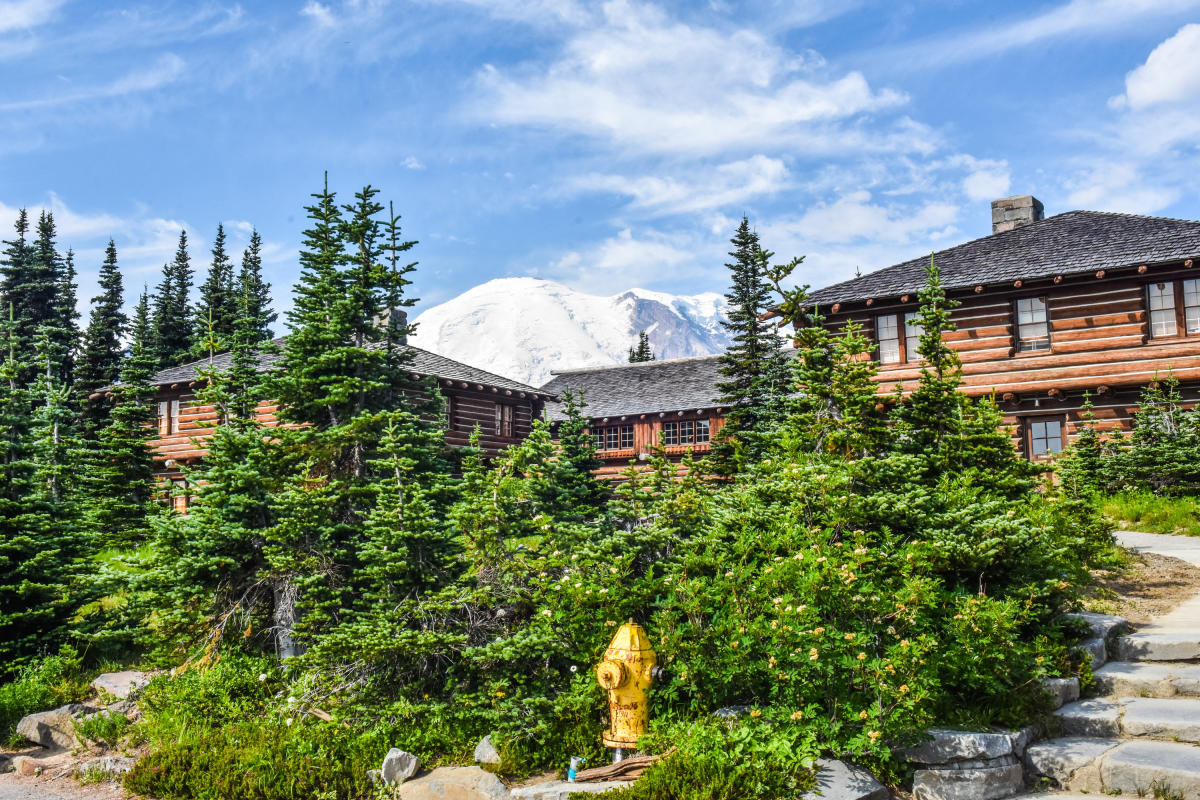
Sunrise Visitor Center:
Save this stop for a future drive: Sunrise Road is closed to vehicles as of September 18, 2026 because of nearby fires. Pedestrian and bicycle access on the road does not mean surrounding trails or services are open; potable water at Sunrise ended September 16. For a visitor-center stop on this trip, consider Paradise instead and check current facility hours. Keep the NPS road report handy for reopening updates.
Hopefully this gave you lots of inspiration for what you should do when you head up to Mt. Rainier National Park this summer! Remember when spending a long day outside to bring lots of sunscreen, water, comfortable walking shoes, and snacks! Also, the elevation is extremely high on the mountain in general and even higher on certain hikes, so take it slow. You likely won’t be able to keep up your usual pace because higher altitude means thinner atmosphere so you’re not taking in as much oxygen as you would in a normal breath! We hope you have a blast and make sure to tag us @visittacomapiercecounty on socials so we can see which recommendations you take.